
Building on Acreage in Northeast Texas: What Rural Buyers Need to Know
By Shannon Miles, GRI, CLHMS · Last updated June 18, 2026
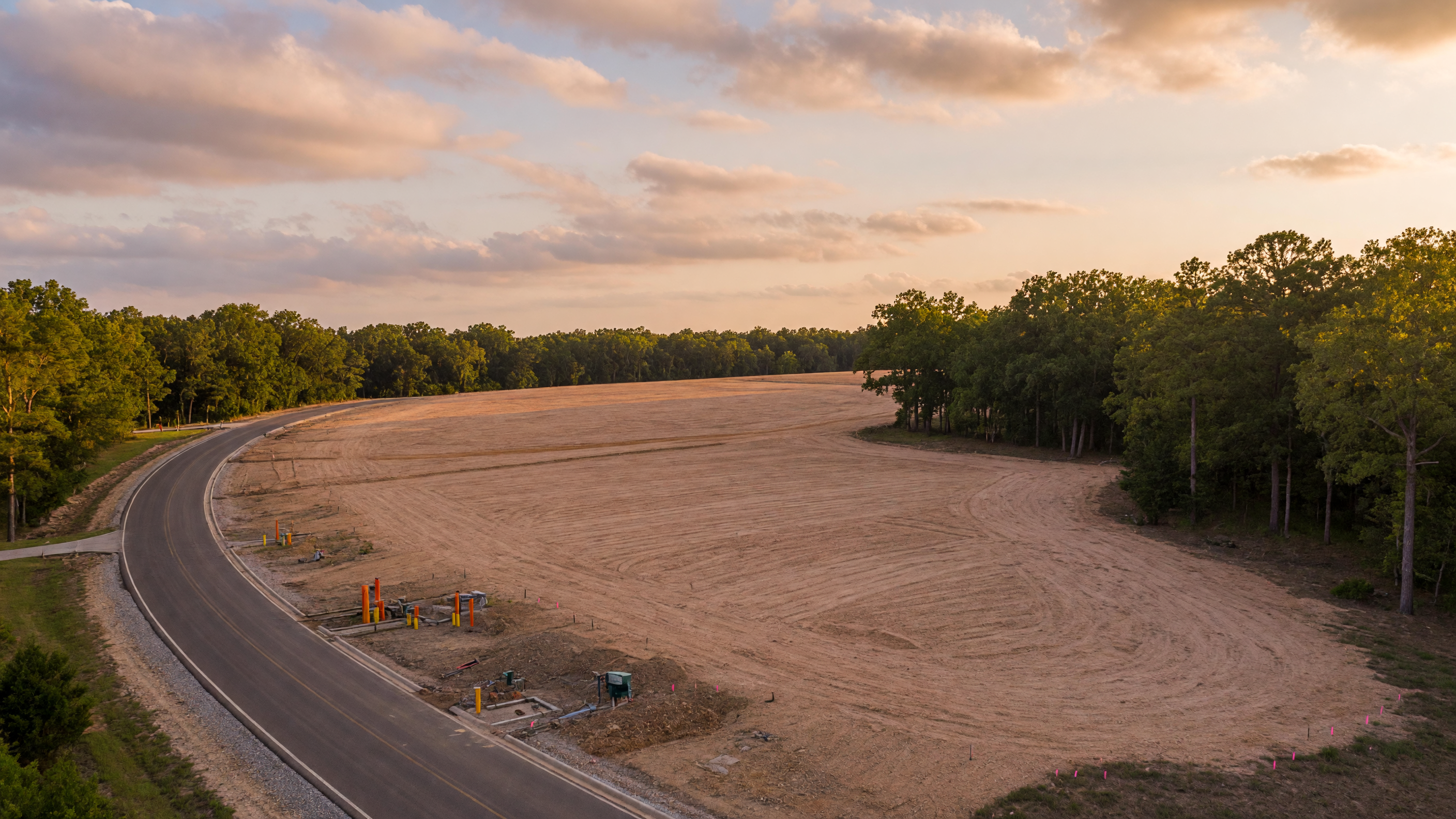
There is a particular kind of excitement that comes with standing on a piece of land and imagining the home you will build there. In Northeast Texas, that dream is within reach for more buyers than you might think. Acreage parcels in Lamar, Fannin, Delta, and surrounding counties offer space, privacy, and a lifestyle that suburban lots simply cannot match.
But building a new home on rural acreage is a different process than building inside a master-planned community like Forestbrook Estates. The land comes with its own set of requirements, its own timeline considerations, and its own risks. If you do not understand those differences before you sign a purchase contract and call a builder, the surprises can be expensive.
Here is what rural buyers need to know before they commit to building on acreage in Northeast Texas.
The biggest question is water
Inside city limits, municipal water is typically available at the lot line. On rural acreage, it usually is not. Most rural homes in Northeast Texas rely on a private well for their water supply, and the process of getting a well drilled, tested, and approved is one of the first things that must happen before construction begins.
Well drilling costs vary widely based on depth, geology, and the yield of the aquifer. In Lamar County and surrounding areas, typical residential wells range from 100 to 300 feet deep, and drilling costs can run anywhere from $4,000 to $12,000 or more. Water quality testing is an additional step, and in some areas, you may need a water softener or filtration system to address hardness, iron, or other minerals common in Northeast Texas groundwater.
The most important thing to know is that a well must produce adequate water flow before a builder will break ground. If the well does not yield enough gallons per minute, you may need to drill a second well or evaluate an alternative water source. This is not a scenario you want to discover after the foundation is poured. A water test and well assessment should happen during the land due diligence period, not after purchase.
Septic systems and where your home can sit
Rural properties outside municipal sewer service require a septic system. A septic system is not a simple add-on. It dictates where your home can be placed on the lot, how large the lot must be, and where certain features like swimming pools, gardens, and driveways can be located relative to the septic field.
In Texas, septic permits are issued by the county or a licensed Professional Engineer based on a soil evaluation and site assessment. The soil must percolate at a rate that supports absorption. Clay-heavy soils, which are common throughout Northeast Texas, can limit where a septic field goes and may require an engineered system, which costs significantly more than a standard gravity-fed system.
A standard septic system in this region typically costs between $6,000 and $15,000. An engineered system on challenging soil can run higher. The location of the septic tank and drain field also affects your home's footprint. If the soil evaluation shows that the septic field must go in a particular area, your builder has to work around it during site planning.
This is one of the most common oversights in rural new construction. Buyers purchase land without a soil test, hire a builder, and then discover that the ideal home site cannot support a septic system. The fix is either moving the home to a less desirable location or investing in an engineered septic solution. Neither is ideal when it could have been avoided with proper due diligence.
Utility access beyond water
Water and septic are the big two, but rural acreage brings additional utility considerations that do not apply in a planned development.
Electricity. Depending on the distance from the nearest power line, you may need to pay for a line extension. Rural electric cooperatives like Red River Valley Cooperative and Fannin County Electric Cooperative serve much of this area. Line extension costs vary based on distance, but runs exceeding a few hundred feet from the nearest transformer can cost $10 to $20 per foot or more. If the nearest service is a quarter mile away, you are looking at a meaningful utility cost before the first foundation form is set.
Gas. Natural gas service is not available on most rural parcels in this region. Propane is the standard alternative, and you will need a tank, a fill schedule, and a relationship with a local propane provider. Some buyers opt for all-electric homes to avoid the propane cycle entirely, which affects your appliance choices, monthly utility costs, and HVAC system sizing.
Internet. Rural broadband availability in Northeast Texas has improved but remains inconsistent. Starlink and fixed wireless options have expanded access, but if reliable high-speed internet is essential for remote work, confirm availability at the specific address before purchasing the land. Some parcels are well-served. Others are not, and that gap can affect both your daily life and your long-term property value.
County roads, driveways, and access
Inside a planned community, the developer builds the roads, installs the curbs, and maintains the infrastructure. On rural acreage, the county maintains the road up to your property line. Everything beyond that point is your responsibility.
A rural driveway can be simple or it can be a significant expense, depending on the distance from the road to your build site, the terrain, and the soil. A gravel driveway on a flat, accessible lot might cost $2,000 to $5,000. A long, graded driveway with culverts, drainage crossings, and a gravel or caliche base can easily run $10,000 to $25,000. Paved driveways on rural acreage are rare due to cost, but they are possible.
You will also need to consider driveway permits and drainage requirements. Most counties require a culvert or drainage crossing where the driveway meets the county road. Failure to install proper drainage can result in road damage, neighbor disputes, and county fines. Your builder or site preparation contractor should handle this, but you need to know it is part of the scope and the budget.
Tax exemptions and agricultural valuations
One of the financial advantages of rural acreage in Texas is the potential for agricultural or timber tax valuation, commonly called an ag exemption. While technically a use-based valuation rather than a true exemption, an ag exemption can significantly reduce your annual property tax on land that qualifies for agricultural, livestock, or timber use.
The catch is that once you build a home on the land and begin using it as a residential property, the land surrounding the home may lose its ag valuation unless you actively maintain a qualifying agricultural use. In Lamar, Fannin, and surrounding counties, removing an ag exemption on acreage can increase the taxable value substantially. Understanding this before you buy ensures you are not caught off guard by a property tax bill that is much larger than you anticipated.
Your county appraisal district can tell you the current valuation and any existing exemptions on a parcel. This is standard due diligence for any rural purchase, and it is one of the first things we verify for our clients.
How this compares to building in a planned community
At Forestbrook Estates in Paris, TX, much of this infrastructure is already in place. Municipal water and sewer connections, paved roads, lot grading, and standard utility access are handled by the developer before a single home site is sold. You choose your lot, select your floor plan, and the builder works within a framework that is designed and engineered for residential construction.
Rural acreage flips that process. You are responsible for identifying and solving every infrastructure question before construction begins. That is not a reason to avoid rural building. For many buyers, the space, privacy, and lifestyle of acreage living are exactly what they want. It is a reason to approach the process with clear information and a team that understands the differences.
The bottom line
Building on acreage in Northeast Texas gives you options that planned communities cannot offer. But it also places more responsibility on you as the buyer to understand water availability, septic feasibility, utility access, and infrastructure costs before committing to a purchase. The buyers who navigate rural new construction most successfully are the ones who gather this information during the land due diligence period, not after they have already signed a purchase contract and called a builder.
Shannon and Scott Miles are new construction buyer specialists at eXp Realty in Paris, TX. They help rural buyers evaluate land for buildability, coordinate soil tests and well assessments, and connect clients with the right contractors and engineers for every phase of the process. Whether you are looking at acreage in Lamar County, Fannin County, or anywhere in Northeast Texas, having a team that understands both the master-planned community path and the rural acreage path gives you an honest comparison and a clear strategy.
No pressure. No obligation. Just a team that helps you build the right home in the right place with full confidence in your decision.
Thinking about building on acreage?
We help rural buyers evaluate land, coordinate due diligence, and navigate the unique requirements of building on acreage in Northeast Texas. Reach out for a conversation about your plans.
Contact Shannon Miles GroupExploring new construction? See what is available in: