
How to Compare Builders in a Master-Planned Community
By Shannon Miles, GRI, CLHMS · Last updated July 6, 2026
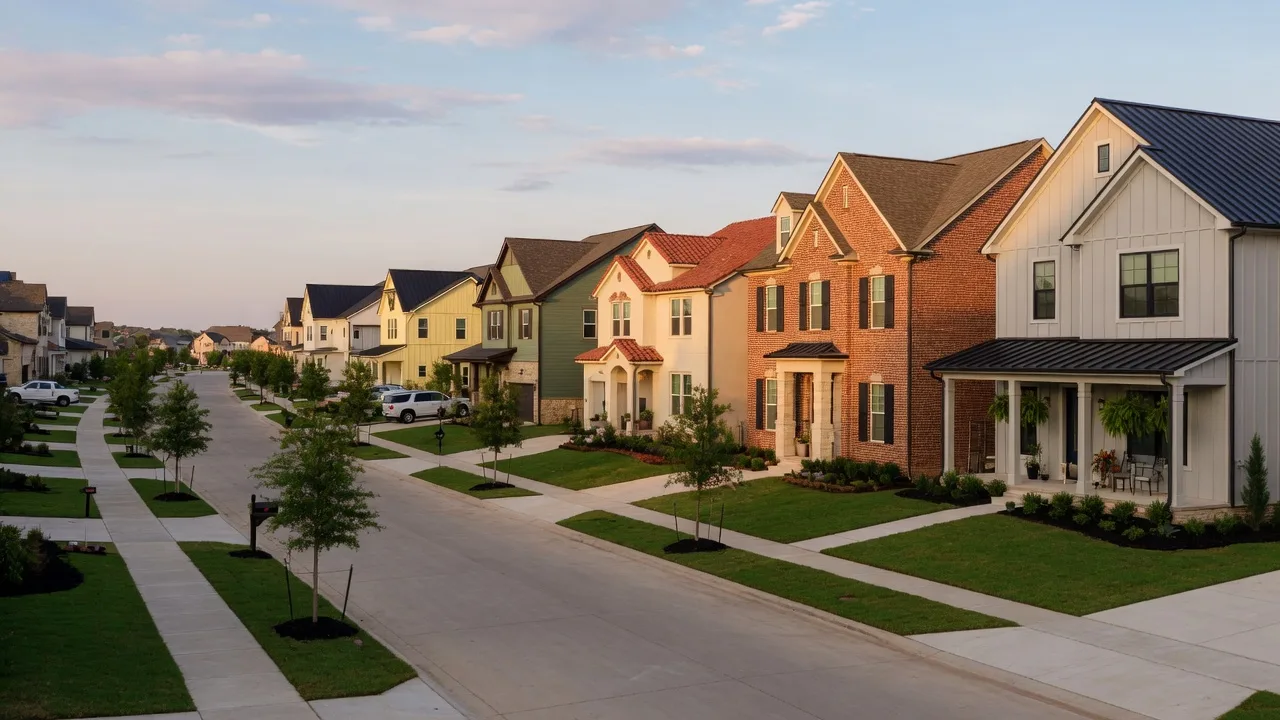
One of the advantages of a master-planned community is choice. You can often select from multiple builders, each offering different floor plans, materials, pricing structures, and warranty programs. That variety is a benefit when you know how to evaluate it. It becomes a source of confusion when you do not.
Most buyers walk into a new community and compare floor plans. That is the natural instinct. But the floor plan is only part of the equation. The builder behind the plan determines your construction quality, your warranty experience, your financing options, and how smooth or stressful the entire process will be. Choosing the wrong builder in the right community can turn a great location into a frustrating experience.
At Forestbrook Estates in Paris, TX, buyers choose between multiple builders within a single master-planned community. That means comparing builders is not an abstract exercise. It is one of the first real decisions you will make. Here is how to approach it the right way.
Start with the warranty, not the floor plan
The warranty is the single most important long-term difference between builders, and it is the one most buyers skip over during the excitement of choosing a kitchen layout. Every builder operating in Texas is required to provide a structural warranty, but the terms vary significantly.
Some builders offer a ten-year structural warranty with clear escalation from year one through year ten. Others offer shorter terms or narrower coverage. Beyond structural coverage, pay close attention to the workmanship warranty. How long does it last? What is the process for filing a claim? Do you contact the builder directly or a third-party warranty company? What are the notice requirements if you discover a defect?
A builder with a strong warranty program is telling you something about their confidence in their construction. A builder with vague or limited warranty language may be telling you the same thing in a different way.
Evaluate construction quality, not just finishes
Every builder in a master-planned community can produce attractive finishes. The difference between builders often lives beneath the surface. Ask about the framing methods, insulation standards, HVAC equipment brands, and plumbing systems. These are the components that affect your comfort, your energy bills, and your repair costs for decades.
Visit completed homes in the community if possible. Walk through a model and a recently completed spec home. Look at the door casings, the baseboards, the grout lines, the paint coverage, and the operation of windows and doors. Small quality differences in construction become big differences in daily living.
If you have access to a pre-drywall stage home under construction, take advantage of it. What you see behind the walls tells you more about builder quality than any design center selection ever will.
Compare the pricing structure, not just the price tag
Builders price their homes differently. Some include more features in the base price. Others start lower and rely on upgrades to reach a comparable level of finish. A $230,000 base price with $30,000 in expected upgrades may cost you more than a $250,000 base price that includes the features you actually want.
Request a detailed inclusion list from each builder. Side by side, this document tells you exactly what you are getting for the base price. Pay particular attention to kitchen and bath features, flooring, garage doors, appliance packages, and landscaping. These are the categories where builders differentiate most aggressively.
Then look at the upgrade pricing. Some builders mark up design center options significantly while others offer more competitive pricing on custom selections. The spread between builders on the same upgrade can be thousands of dollars.
Ask about their financing relationships and incentives
Many builders offer incentives tied to using their preferred lender. These can include rate buydowns, closing cost credits, or flex cash. But the preferred lender is not always the best lender for your situation. Some builders are flexible about outside financing. Others require you to use their affiliated lender to access any incentive at all.
Before committing to a builder, get pre-approved through an independent lender and then ask the builder what their financing incentives look like. Comparing the total cost of the loan, not just the headline incentive, reveals the true picture. A larger incentive on a higher note rate can cost you more over the life of the mortgage than a smaller incentive at a better rate.
Look at their reputation for communication and timeline adherence
Construction timelines vary between builders even within the same community. Some builders consistently deliver on schedule. Others have a reputation for delays. Neither is a guarantee, but past performance is a useful data point.
Ask the builder for an estimated timeline from contract to closing and ask how they communicate during the build. Do you receive regular updates with photos? Is there a project manager assigned to your home? Who is your point of contact if something goes wrong? How quickly do they respond to questions during construction?
The quality of communication during the build often predicts the quality of warranty support after closing. Builders who are responsive during construction tend to remain responsive when you need them later.
Consider resale value and market perception
Not all builders carry the same weight in the resale market. A home built by a nationally recognized builder with a strong warranty program may appraise and sell differently than an identical floor plan from a builder with limited local presence. This is especially relevant in a master-planned community where buyers are also comparing resale homes against new construction.
In Northeast Texas, builder reputation matters to future buyers. A well-built home with a transferable warranty from a recognized builder gives the next buyer confidence, which supports your resale value down the road.
How we help at Forestbrook Estates
At Forestbrook Estates in Paris, TX, we have firsthand knowledge of how each builder operates. We track their pricing trends, review their contracts, visit their active construction sites, and maintain relationships with their sales teams. That means when a client asks us which builder fits their budget, timeline, and quality expectations, we can give a specific, honest answer based on direct experience, not marketing materials.
Shannon and Scott Miles are new construction buyer specialists at eXp Realty in Paris, TX. They help buyers evaluate every builder in a community before a single line of the purchase agreement is signed. If you are comparing builders at Forestbrook Estates or any master-planned community in Northeast Texas, having a team that works exclusively for your interests is the difference between a confident decision and a costly guess.
Not sure which builder is right for you?
We compare builders side by side, review contracts, and help you choose with confidence. Reach out for a no-pressure conversation about your new construction options.
Contact Shannon Miles GroupExploring new construction? See what is available in: